
A tree can stand for sixty years and then come down on a Tuesday afternoon with no wind, no storm, and no obvious reason. If you walk near Meadow Spur Trail outside Stowe often enough, you have probably seen one. A big maple or ash lying across the path or a yard, roots still partly in the ground, looking fine from twenty feet away.
People assume something dramatic caused it. A storm the night before, maybe, or lightning. But most of the time the real cause started years earlier, quietly, inside the trunk where nobody could see it.
This article walks through why that happens here specifically, what local homeowners can watch for, and what the options are once a tree like this is already down.
What Internal Decay Looks Like in a Stowe Area Maple or Ash?
Internal decay is fungus working its way through the wood inside a tree. It usually gets in through an old wound: a broken branch, a lawnmower scrape at the base, a spot where a limb was cut years ago and never closed over properly.
Once the fungus is inside, it feeds on the wood fibers that give the trunk its strength. The outside bark keeps growing over the wound, so from the road or driveway, the tree can look completely normal. Underneath, the wood is turning soft, spongy, or hollow.
This is common in older sugar maples around Stowe, since maple wounds heal slowly compared to some other species. White ash trees develop the same problem, often starting at old branch stubs near the crown. A tree can carry this kind of damage for ten or fifteen years before anything visible changes.
The tipping point comes when the remaining solid wood can no longer hold the weight of the canopy. At that point, it does not need a major storm. A gust during a normal afternoon, the extra weight of wet leaves, or even just the tree's own weight on a still day can be enough.
Root Damage Around Morristown Properties Is Often the Real Culprit
Decay in the trunk gets most of the attention, but root damage causes just as many sudden failures, and it is even harder to spot. Roots anchor the tree. When they fail, the whole tree can go over, even if the trunk itself is solid.
Around Morristown, a lot of root damage traces back to construction. A driveway extension, a new septic line, or grading work near a tree's base can cut through major roots without anyone realizing how much support was lost.
Soil moisture plays a part too. Vermont winters bring heavy snowmelt, and many properties near brooks and low spots stay saturated well into spring. Roots sitting in waterlogged soil for weeks at a time start to rot, and a rotted root holds about as much weight as a wet paper towel.
The unsettling part is the timeline. Root damage from a project done two or three years ago might not show any sign until the tree suddenly leans after a rainy week, or comes down entirely with the root ball still attached. By then, the damage was already done long before the failure.
Emerald Ash Borer and the Ash Trees of Lamoille County
Anyone with white ash trees on their property in Lamoille County should know about the emerald ash borer. This small metallic green beetle has been confirmed across multiple Vermont counties, and it kills ash trees from the inside by tunneling through the layer just under the bark.
An infested ash tree can die within one to four years of the first sign of trouble, and those signs are often subtle at first. Thin spots in the upper canopy, woodpecker damage on the bark, and small D-shaped exit holes are early clues, but they are easy to miss from the ground.
Once an ash tree dies from this beetle, the wood becomes brittle fast. A dead ash can drop large limbs within months, and the whole tree often becomes unsafe to climb for removal within a year or two of dying. That narrow window matters a lot for planning.
If you have ash trees near Meadow Spur Trail or anywhere on a Lamoille County property, it is worth having them looked at sooner rather than later. Waiting until the tree is obviously dead can mean the difference between a controlled removal and an emergency one.
Signs You Can Actually Check Before a Storm Hits
People often ask what they should be looking for, since "internal decay" sounds like something only an expert can find. Some signs are within reach for a regular homeowner doing a walk around the yard.
Start at the base. Mushrooms, shelf-like fungus growth, or soft, dark patches at the root flare are strong indicators that decay has already taken hold below ground. These growths do not cause the rot. They show up because the rot is already underway.
Look up at the canopy too. Dead branches in the upper third of the tree, especially on a tree that otherwise looks green and full, often point to a vascular problem somewhere inside the trunk or roots. Arborists sometimes call these branches widow makers, since they can drop without any wind at all.
A new lean, even a small one, deserves attention. A tree that has always grown straight and suddenly tilts a few degrees after a wet spell may have lost root support. Cracks running vertically along the trunk, particularly ones deep enough to expose lighter wood underneath, are another sign that the structure is failing from within. When more than a quarter of the canopy is dead, the tree is generally past the point where trimming alone solves the problem.
If your property sits along the slope near Meadow Spur Trail, where soil tends to stay wetter longer into the season, these checks matter even more. Wet ground combined with decayed roots is a common pairing here.
What Happens After a Tree Falls Without Warning?
I am Michael Thompson, owner of Iconic Tree Care, based here in Morristown. I have been doing this work in this part of Vermont long enough to have seen most versions of this story play out.
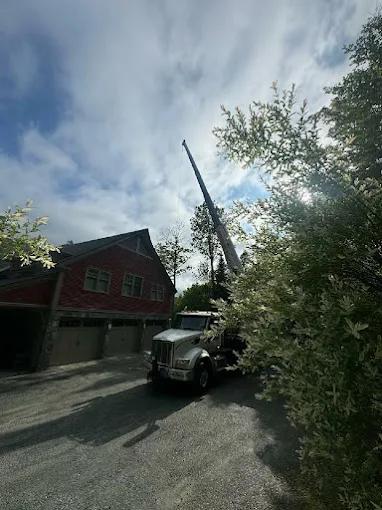
One that stands out was a property near Meadow Spur Trail where a large maple came down across a driveway overnight, with no storm at all. The homeowner woke up to find it blocking the only way out, with the root ball half pulled from the ground and the trunk hollow at the center, something nobody could have guessed from looking at it the week before.
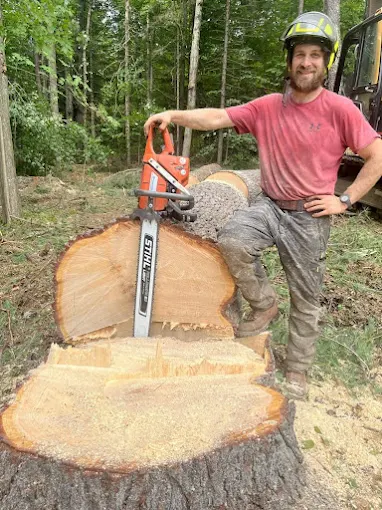
In that case, the priority was getting the driveway clear safely, since the tree was still under tension from how it had fallen and had to be cut in a specific order to avoid a sudden shift. Once it was down and sectioned, we could see the decay had likely been spreading for years, hidden behind a patch of bark that looked completely normal.
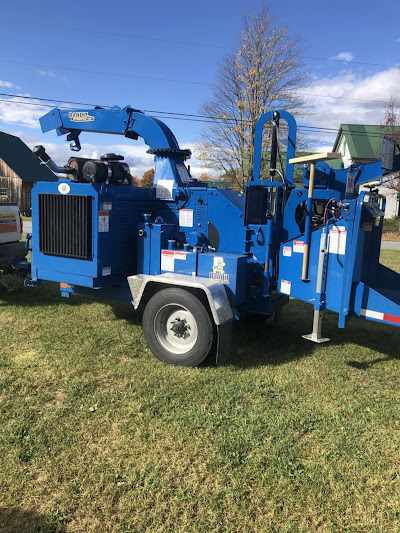
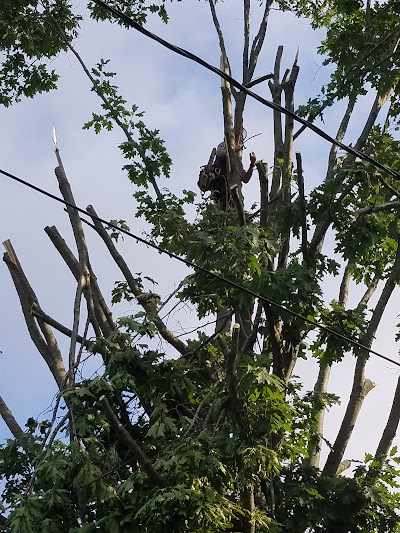
If you want to understand what this kind of work actually involves, from assessment through cleanup, you can view details here on the page covering tree removal in this area.
When a Professional Look Makes the Difference?
Not every tree with a flaw needs to come down. Sometimes a cable system, a reduction in canopy weight, or removing just the affected limbs is enough to keep a tree safe for years longer.
The hard part is telling the difference from the ground. A tree with early-stage decay and a tree that is one storm away from failure can look almost identical to someone walking past it. That is where a closer inspection earns its keep, especially for trees near a house, driveway, or trail where people walk regularly.
For homeowners near Meadow Spur Trail wondering whether a particular tree is worth a closer look, our Google Business Profile has photos from past jobs in the area and contact information if you want to set up a visit. You can check details there before deciding on next steps.
A Closing Thought
Trees near Meadow Spur Trail have stood through a lot of Vermont winters, and most of them are perfectly fine. But the ones that fail rarely give a clear signal beforehand, and that is part of what makes living among big old trees both a privilege and a responsibility.
I have come to think of it less as worrying about every tree on a property and more as getting to know them. The ones that have always looked a little different, the ones with old wounds, the ones leaning slightly more than they used to. Those are the trees worth a second look, long before any wind ever picks up.
Iconic Tree Care
5315 Randolph Rd, Morristown, Vermont 05661
802-338-0802
https://iconictreecare.com/
Write a comment ...